
Understanding individual potential has long challenged educators and professionals alike. Dermatoglyphics Multiple Intelligence Testing (DMIT) offers a distinctive approach by analyzing fingerprint patterns to assess cognitive strengths. This introduction examines DMIT’s definition, its scientific basis in dermatoglyphics and multiple intelligences theory, the fingerprint collection process, key report components, and practical applications in education and career guidance.
Introduction to DMIT
DMIT uses fingerprint ridge patterns to map innate intelligence types based on Howard Gardner’s theory. This biometric assessment connects dermal ridge formations to specific cognitive abilities through established neurological pathways.
Dermatoglyphics Multiple Intelligence Testing offers parents and educators a method for identifying dominant intelligence without requiring performance-based evaluations. The approach examines genetic markers established during prenatal development stages.
Each person’s fingerprint patterns form unique configurations that reflect brain lobe development patterns. These configurations provide insights into natural learning preferences and cognitive strengths present from early development.
The assessment process focuses on mapping individual differences rather than comparing performance against standardized measures. This creates opportunities for personalized educational planning based on identified aptitude areas.
Definition and Core Concept
DMIT defines intelligence profiling through biometric fingerprint data collected via digital scanners measuring ridge counts and patterns. The process generates an assessment report showing distribution across Gardner’s eight intelligence types with corresponding percentage scores.
Fingerprint analysis examines whorls, loops, and arches as indicators of specific brain lobe development. These pattern types connect to neural pathways established during prenatal development phases.
A person with high TFRC above 140 may show elevated logical-mathematical scores according to the assessment methodology. The report highlights strength areas and weakness areas to guide educational decisions.
Multiple intelligence profiling provides learning recommendations based on identified cognitive abilities. Counselors use these results to suggest career suitability and personalized learning approaches for students.
Origins and Historical Background
DMIT originated from 1920s dermatoglyphics research linking fingerprint patterns to genetic and neural development markers. Harold Cummins conducted foundational studies at Tulane University establishing connections between dermal ridges and developmental biology.
Howard Gardner’s 1983 publication introduced eight distinct intelligence types that later formed the theoretical framework for DMIT applications. This work shifted focus from single-measure intelligence testing toward recognizing diverse cognitive abilities.
Commercialization of DMIT began in India around 2005 when software developers created systems converting ridge data into intelligence maps. These tools enabled practitioners to generate assessment reports from biometric fingerprint scans.
The methodology spread to Malaysia, Philippines, and Singapore markets by 2010 as educational consultants adopted the approach. DMIT centers emerged offering services for child development assessment and talent identification purposes.
Scientific Foundation
DMIT claims scientific grounding in dermatoglyphics research showing fetal fingerprint formation coincides with brain lobe development between weeks 13-21 of gestation.
Dermatoglyphics and brain research form one pillar of this approach. The second pillar comes from multiple intelligences theory. Both connect through prenatal development timing.
The corpus callosum plays a role in hemispheric communication during this period. This structure helps coordinate activity between brain regions. DMIT uses these connections as its foundational premise.
Practitioners examine biometric data from fingerprints. They map these patterns to cognitive abilities and learning styles. This process creates an intelligence profile for each individual.
Dermatoglyphics and Brain Connection
Dermatoglyphics research shows fingerprint ridge formation occurs simultaneously with brain lobe differentiation between weeks 13-21 of gestation.
Both fingerprints and neural tissue develop from the same ectoderm layer. This shared origin creates the connection that DMIT examines. Dermal ridges form patterns during this critical window.
ATD angle measurements typically range between 35-45 degrees. These angles correlate to parietal lobe development patterns. Triradius points at finger bases may indicate brain dominance tendencies.
Ridge count methodology involves calculating total finger ridge count. TFRC averages between 120-150 across ten fingers. Pattern types include whorl, loop, and arch formations that practitioners analyze.
Multiple Intelligences Theory
Howard Gardner’s 1983 theory proposed eight distinct intelligences rather than a single IQ measure.
Linguistic intelligence involves language use and verbal skills. Logical-mathematical intelligence covers reasoning and calculation abilities. Spatial intelligence relates to visual thinking and navigation.
Musical intelligence includes sound recognition and rhythm. Bodily-kinesthetic intelligence connects to physical movement and coordination. Interpersonal intelligence focuses on understanding others.
Intrapersonal intelligence involves self-awareness and reflection. Naturalistic intelligence covers recognizing patterns in nature. Gardner later suggested existential intelligence as a ninth possibility.
DMIT adapts this framework to map fingerprint data to intelligence distribution. The method assigns percentage scores to each intelligence type. This differs from traditional psychometric testing approaches.
How DMIT Works
DMIT workflow involves capturing fingerprint images via digital scanners, then processing ridge data through proprietary algorithms to generate intelligence reports. The process begins with a simple scan of all ten fingers. This creates the foundation for converting physical patterns into cognitive profiles.
Centers rely on two main scanner types during collection. Optical scanners use light reflection to capture surface details. Capacitive scanners measure electrical conductivity from skin ridges. Both methods produce images suitable for analysis when quality standards are met.
Every finger must be scanned because each contributes unique data to the final assessment. The complete set of ten fingerprints allows for accurate pattern classification and ridge measurements. Missing data from any finger can limit the reliability of intelligence distribution percentages.
Once images are captured, the system examines whorls, loops, and arches along with ridge counts. These elements translate into percentage scores across different intelligence types. The workflow moves quickly from physical collection to detailed interpretation without requiring lengthy procedures.
Fingerprint Collection Process
DMIT centers use optical fingerprint scanners capturing all 10 fingers in under 3 minutes for ridge pattern analysis. Technicians follow a consistent sequence starting with the thumb and moving through each finger. Both hands receive the same systematic approach to ensure complete data collection.
Each finger undergoes scanning twice to verify image quality and reduce errors. This repetition helps identify any movement or smudges that might affect results. Centers maintain standards requiring at least 300 DPI resolution for all captured images.
Pattern types appear in different frequencies across populations. Loops represent the most common formation while whorls appear less often. Arches occur at the lowest rate. These classifications form the basis for later analysis steps.
Damaged fingerprints from manual labor sometimes require additional attempts or exclusion from results. Scars, calluses, or worn ridges can reduce image clarity. Practitioners note these cases and may request rescanning to maintain data integrity.
Analysis Methodology
DMIT analysis counts ridges between triradius points and measures ATD angles to quantify each finger’s contribution to intelligence mapping. Ridge counting involves drawing lines from triradii to cores and tallying the ridges in between. This measurement provides numeric values for each finger.
The ATD angle at the palm’s axial triradius offers another key metric. Wider or narrower angles correspond to different aspects of cognitive processing. These angles help determine hemispheric tendencies in the final report.
TFRC calculation adds ridge counts from all ten fingers to create a total score. AFRC takes a different approach by counting every ridge on each individual finger. Both measurements contribute to the intelligence distribution percentages shown in assessment reports.
These metrics connect to multiple intelligence categories through established mapping methods. The system converts numerical ridge data into percentage scores across various cognitive domains. Final reports present these findings as strength areas and learning recommendations based on the collected biometric information.
Intelligence Types Identified
DMIT reports quantify eight intelligence types with percentage scores showing relative strengths and development recommendations. These assessments draw from fingerprint analysis to map cognitive abilities across different brain regions. The framework helps identify dominant intelligence patterns that influence learning preferences and career paths.
Reports show percentage distribution across Gardner’s eight types based on dermatoglyphics markers. Each intelligence receives a score reflecting its relative prominence compared to other categories. This distribution reveals how various cognitive strengths interact within an individual profile.
Typical output includes top three dominant intelligences with scores attached to each category. These rankings help prioritize areas for focused development and educational planning. Reports include learning style implications for each identified strength area.
The assessment connects fingerprint ridge patterns to specific neural development markers established during prenatal stages. This approach provides insights into innate intelligence distribution that may guide educational counseling decisions. Parents and educators use these findings to support personalized learning strategies.
Logical-Mathematical Intelligence
DMIT identifies logical-mathematical intelligence through high ridge counts on index and middle fingers linked to frontal lobe analytical processing. This intelligence type involves pattern recognition, deductive reasoning, and numerical computation skills. Individuals with strength in this area process information through systematic and sequential approaches.
DMIT indicators include TFRC above 160 and prominent whorl patterns on index fingers. These biometric markers suggest stronger connections to brain regions responsible for mathematical reasoning and logical problem solving. The assessment evaluates these patterns against established dermatoglyphics correlations.
Career examples include engineering, data analysis, accounting, and research positions. These fields require strong analytical thinking and systematic approaches to complex problems. High scorers often excel in environments that value precision and structured methodology.
Typical report recommendation includes structured learning environments with problem-solving emphasis for scores above 75%. This guidance helps educators create appropriate learning conditions. The recommendations focus on activities that engage analytical thinking and sequential processing skills.
Linguistic and Interpersonal Skills
DMIT maps linguistic and interpersonal intelligences to left temporal lobe markers shown through loop patterns on ring and pinky fingers. Linguistic intelligence encompasses verbal expression, reading comprehension, and language acquisition abilities. This intelligence type supports effective communication across written and spoken formats.
Interpersonal intelligence involves empathy, communication, and social navigation capabilities. DMIT indicators show ridge counts 12-16 on ring fingers correlate to verbal scores above 70%. These patterns suggest stronger development in areas responsible for language processing and social understanding.
Examples include journalism, teaching, counseling, and sales careers for high scorers. These professions require strong verbal abilities combined with effective interpersonal skills. Individuals with these strengths often thrive in collaborative and communication-focused work environments.
Combined high scores suggest strengths in collaborative learning environments. Report guidelines recommend group activities and discussion-based learning approaches. These recommendations help maximize the benefits of both linguistic and interpersonal intelligence development.
Intrapersonal and Kinesthetic Abilities
DMIT identifies intrapersonal and bodily-kinesthetic abilities through right hemisphere markers in thumb and index finger ridge patterns. Intrapersonal intelligence involves self-awareness, emotional regulation, and metacognition skills. This intelligence type supports understanding of personal motivations and emotional responses.
Bodily-kinesthetic intelligence encompasses physical coordination, muscle memory, and hands-on learning preferences. DMIT indicators include whorl patterns on thumbs that suggest kinesthetic scores above 65%. These markers indicate stronger connections to brain areas responsible for physical movement and spatial awareness.
Examples include athletics, performing arts, therapy, and entrepreneurship for high scorers. These fields require strong physical coordination combined with self-understanding and motivation skills. Individuals with these strengths often excel in practical and movement-based learning situations.
Report recommendations include experiential learning approaches for combined high scores. This guidance helps educators design activities that engage both physical and reflective learning styles. The approach supports development of both intrapersonal awareness and kinesthetic capabilities through integrated exercises.
DMIT Report Components
DMIT reports present quantitative metrics including ATD angles, ridge counts, and hemispheric dominance percentages alongside qualitative learning recommendations.
These documents organize findings into distinct sections that move from raw numerical data to interpretive guidance. The structure allows counselors and parents to review concrete measurements first before examining suggested applications.
Reports typically span 8 to 12 pages depending on the depth of analysis provided. Visual charts appear throughout to display intelligence distribution across different cognitive categories.
Dominance percentages for left brain versus right brain appear as specific metrics. Each percentage comes with practical application guidance for educational planning and daily learning activities.
ATD Angle and Ridge Count
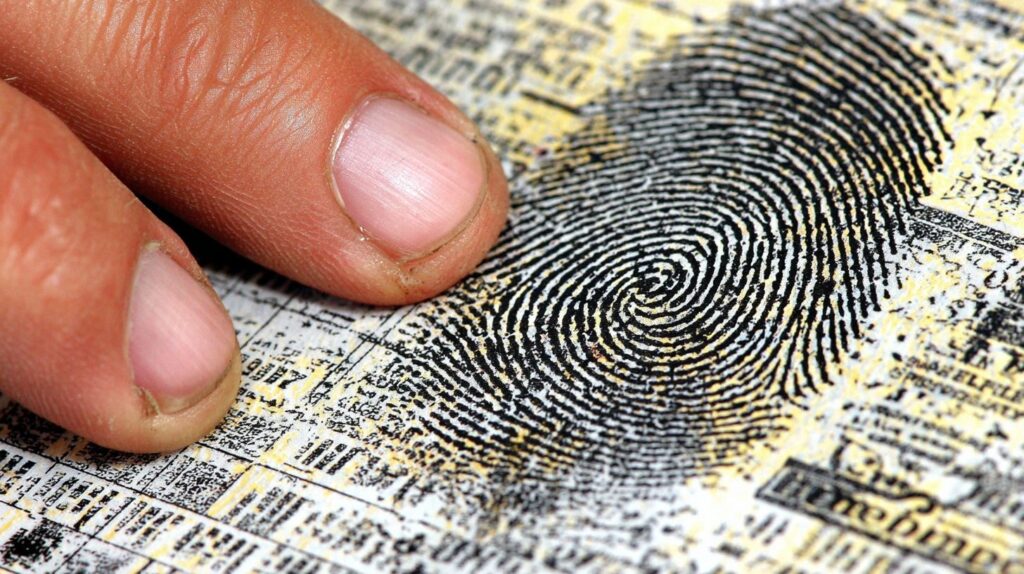
DMIT reports quantify ATD angles (typically 35-50 degrees) and ridge counts to establish baseline cognitive mapping metrics.
The ATD angle measures the formation at the axial triradius between the index finger and palm center. Angles below 40 degrees often suggest stronger analytical tendencies in the resulting profile.
TFRC calculation adds ridge counts across all ten fingers. The resulting total falls within a normative range that helps establish comparative benchmarks for the assessment.
AFRC values show ridge density on each individual finger. These localized measurements contribute to specific intelligence type scores within the overall report output.
A subject might receive an ATD angle measurement of 42 degrees paired with a TFRC of 168. The report translates these figures into percentage scores for different intelligence categories such as logical-mathematical abilities.
Dominance and Learning Styles
DMIT reports calculate left-right brain dominance ratios from fingerprint asymmetry to recommend learning style adaptations.
Dominance calculation compares ridge patterns and counts between both hands. The resulting percentages indicate hemispheric preference and suggest which cognitive approaches may come more naturally.
Seventy percent left brain dominance points toward sequential and analytical learning preferences. Sixty five percent right brain dominance highlights strengths in holistic and visual spatial processing.
Left dominant learners often benefit from step by step instruction methods. Right dominant learners may respond better to project based exploration and open ended problem solving activities.
Corpus callosum integration scores above 60 percent indicate balanced learning adaptability. These higher scores suggest the individual can switch between different cognitive approaches depending on task requirements.
Applications and Uses
DMIT applications span educational planning, career selection, and personal development across child and adult populations. Dermatoglyphics Multiple Intelligence Testing provides insights that help families and professionals make informed decisions about learning paths and future directions.
The assessment serves individuals ages 5 and above. For minors, the process includes parent counseling components that explain results in accessible language and offer practical next steps.
Three primary domains benefit most from this approach. Education systems use the results to understand learning styles. Career services apply findings to vocational matching. Individuals pursue personal development through strength-based goal setting.
Each domain adapts the intelligence profile differently. Schools focus on classroom support. Counselors emphasize professional alignment. Coaches build customized growth plans around existing cognitive patterns.
Education and Career Guidance
DMIT reports guide educational track selection and career paths by matching intelligence profiles to academic and professional requirements. Schools examine results to identify students who show elevated scores across multiple intelligence domains.
Educators use the data to recommend subject streams for students in grades 8 through 10. Reports also help flag areas where additional support may benefit the learner. Teachers and counselors review patterns to adjust instruction and provide targeted resources.
Career guidance draws on specific intelligence combinations. Elevated logical-mathematical scores often align with STEM pathways. Strong interpersonal markers suggest suitability for healthcare, human resources, or teaching roles.
Some Singapore schools have incorporated DMIT findings into secondary school streaming decisions since 2012. Parent counseling sessions last 45 to 60 minutes. Counselors translate report percentages into concrete recommendations for subjects and extracurricular activities.
Personal Development Planning
DMIT supports personalized development plans by identifying cognitive strengths for targeted skill-building and weakness mitigation strategies. Reports convert percentage scores into concrete activities that match individual profiles.
A moderate musical intelligence score might prompt regular instrument practice several times each week. Instrument choice can consider accompanying kinesthetic indicators within the same report.
Lower linguistic scores lead to practical interventions. Daily vocabulary exercises through apps and structured reading programs help build this area over time. Progress becomes measurable when compared against the original baseline.
Corporate teams apply collective profiles during project assignments. Roles are distributed according to the group’s combined intelligence distribution. A six-month review cycle allows individuals to track growth against their initial assessment scores.
Limitations and Criticism
DMIT faces criticism regarding scientific validation, with concerns centered on methodology reliability and evidence quality. The debate involves both the underlying dermatoglyphics research and how practitioners apply it to intelligence assessment today. Regulatory oversight varies significantly by country, creating inconsistent standards for service delivery.
Dermatoglyphics research maintains legitimate scientific basis in prenatal development studies. However, claims linking fingerprint patterns directly to intelligence types lack peer-reviewed validation across major psychology journals. Mainstream researchers continue to question whether ridge patterns can reliably predict cognitive abilities.
Professional psychology organizations have not endorsed DMIT methodology for educational or career guidance purposes. Absence of large-scale controlled studies remains a central issue in ongoing discussions about this assessment approach. The gap between research standards and commercial application continues to fuel debate.
Scientific Validity Concerns
No peer-reviewed studies in PubMed or APA databases validate DMIT’s fingerprint-to-intelligence correlation claims as of 2024. Controlled trials comparing DMIT predictions to established IQ or aptitude tests remain unavailable in published literature. This absence creates challenges for practitioners seeking evidence-based support.
Test-retest reliability data showing consistent scores over time has not been published for DMIT assessments. Inter-rater reliability metrics for DMIT counselor interpretation also remain undocumented in peer-reviewed sources. Mainstream psychology requires Cronbach’s alpha above 0.80 for assessment tools, yet DMIT has not published such metrics.
A 2019 Indian Journal of Clinical Psychology review found insufficient evidence supporting DMIT use for educational decision-making. Practitioners often cite high accuracy rates without referencing specific source studies that demonstrate these claims. The lack of transparent validation data continues to concern educational psychologists.
Ethical Considerations
DMIT raises ethical concerns about labeling children based on unvalidated assessments affecting educational trajectories. Fixed intelligence narratives may limit how students perceive their own potential and willingness to explore diverse learning opportunities. These concerns extend beyond individual assessments to broader questions about early categorization.
Parents may receive reports suggesting specific intelligence distribution patterns without understanding assessment limitations before making school selection decisions. APA ethical guidelines require assessments to demonstrate validity for intended uses, yet DMIT application often extends beyond published evidence. Informed consent gaps create additional challenges in family counseling settings.
DMIT certification courses typically range from two to five days compared to licensed psychologist requirements of six or more years of training. Unqualified practitioners may interpret results without understanding psychometric standards or developmental psychology principles. Regulatory gaps allow DMIT centers to operate without psychology board oversight in many jurisdictions.
Conclusion
DMIT offers a biometric approach to intelligence profiling but requires careful consideration of scientific limitations and ethical implications. This method uses fingerprint analysis to examine ridge patterns and connect them to multiple intelligence frameworks. The approach draws from dermatoglyphics research that examines how dermal ridges form during early development.
The core premise links prenatal development stages with brain formation processes. During this period, both fingerprint ridges and neural structures develop simultaneously under genetic influences. This timing forms the theoretical foundation for connecting biometric data with cognitive abilities and intelligence types.
DMIT maps fingerprint patterns to Howard Gardner’s eight intelligences through specific assessment protocols. These include linguistic intelligence, logical-mathematical intelligence, spatial intelligence, musical intelligence, bodily-kinesthetic intelligence, interpersonal intelligence, intrapersonal intelligence, and naturalistic intelligence. The resulting reports provide intelligence distribution scores and learning recommendations for educational counseling.
However, no peer-reviewed validation supports the claimed correlation between dermatoglyphic patterns and intelligence measures. Experts recommend viewing DMIT as an exploratory tool rather than a definitive assessment method. The absence of established reliability data means results should supplement rather than replace standard psychometric testing approaches.
Ethical considerations become particularly important when DMIT involves child assessment and developmental decisions. Labeling children based on fingerprint analysis risks creating fixed expectations that may limit educational opportunities. Parents and educators should approach such assessments with caution regarding long-term implications for student guidance.
Users considering DMIT should seek assessments with demonstrated reliability through established validation methods. Consulting licensed professionals remains essential for educational planning and career guidance decisions. These practitioners can integrate multiple assessment tools while maintaining appropriate context around biometric data interpretation and cognitive strengths evaluation.
Frequently Asked Questions
What is DMIT?
DMIT, or Dermatoglyphics Multiple Intelligence Testing, is a method to understand individual strengths based on fingerprint analysis as explained in DMIT Explained: How Dermatoglyphics Multiple Intelligence Testing Works.
How does fingerprint analysis reveal intelligence?
By studying ridge patterns on fingers, DMIT can map to multiple intelligences and help identify innate abilities from an early age.
Is DMIT suitable for children?
Yes, many parents use DMIT to understand their child’s potential early on and guide educational choices accordingly.
What are the benefits of undergoing DMIT?
It helps in career guidance, education planning, and personal development by highlighting dominant intelligence types.
How scientific is Dermatoglyphics Multiple Intelligence Testing?
It is based on research linking dermatoglyphics to brain development and has been studied in fields like genetics and neuroscience.
Where can I learn more about DMIT?
Resources like DMIT Explained: How Dermatoglyphics Multiple Intelligence Testing Works offer comprehensive guides on the testing process and applications.